
Microblading vs Machine Brow Tattoo
Many clients use the word microblading when searching for eyebrow tattoo, although microblading is actually just one specific technique. Today, there are two main approaches used for cosmetic brow tattoo: traditional microblading, which is performed with a hand tool and blade, and machine brow tattoo, which is performed with a cosmetic tattoo machine and fine sterile needles.
For her brow work, Dasha uses only machine techniques, including soft shading, nano hairstrokes, and combination brows. Based on her experience, this allows for softer, more stable healed results and gives better control over colour, density, and long-term appearance.
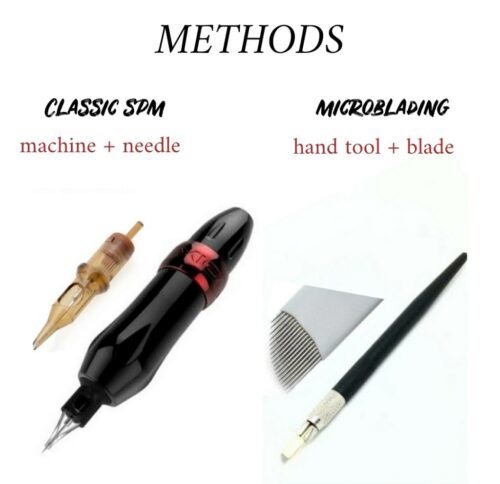
For my work, I use only the classic semi-permanent makeup method for eyebrows. Based on my experience this provides the best, most natural and long- lasting results.
For clients researching semi-permanent makeup, Microblading can appear to be very attractive as photos will show that the blading process has replicated individual hairs in the brow.
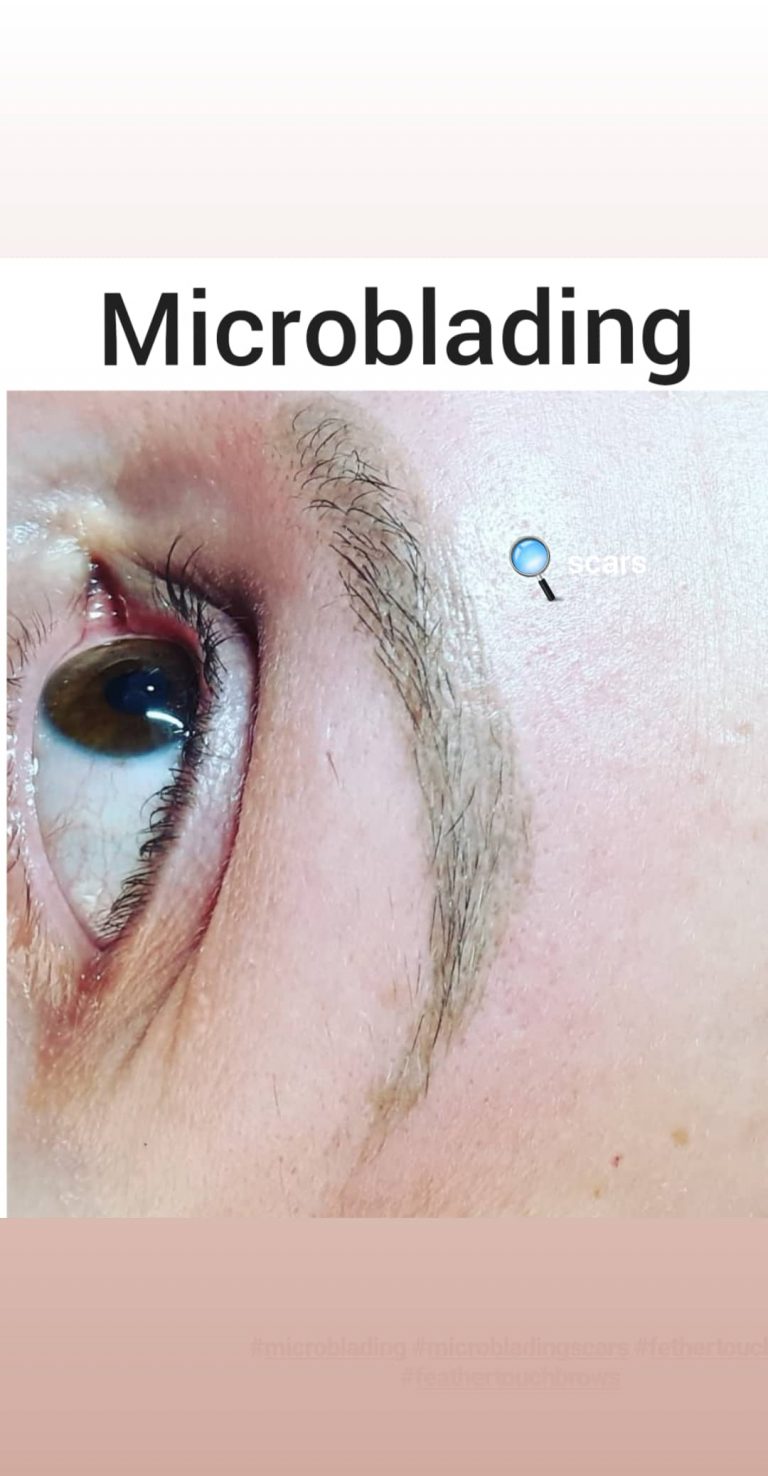
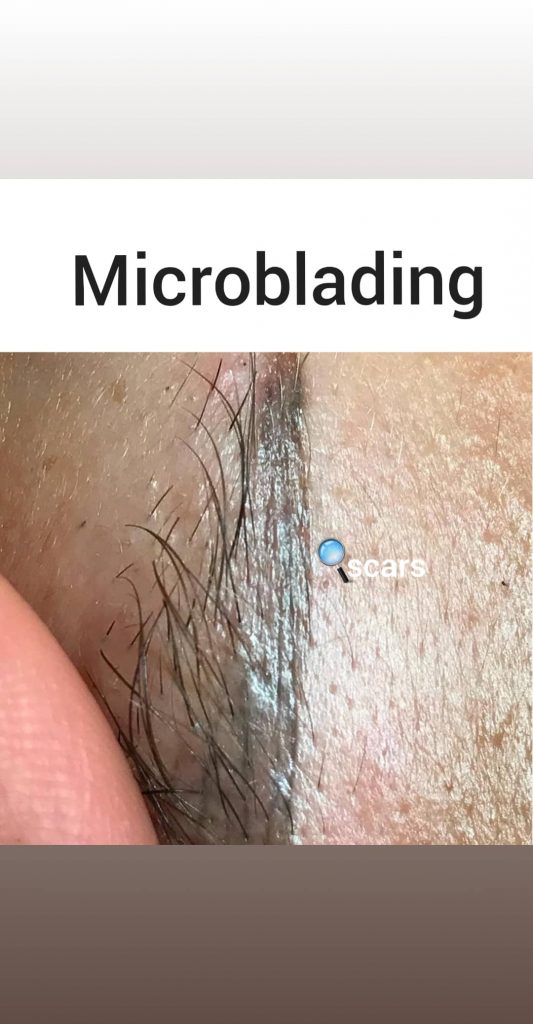
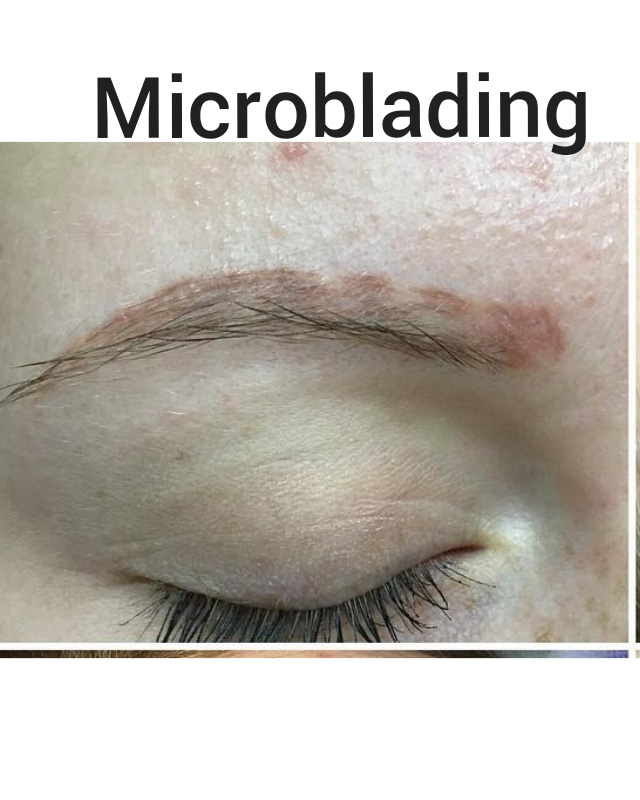
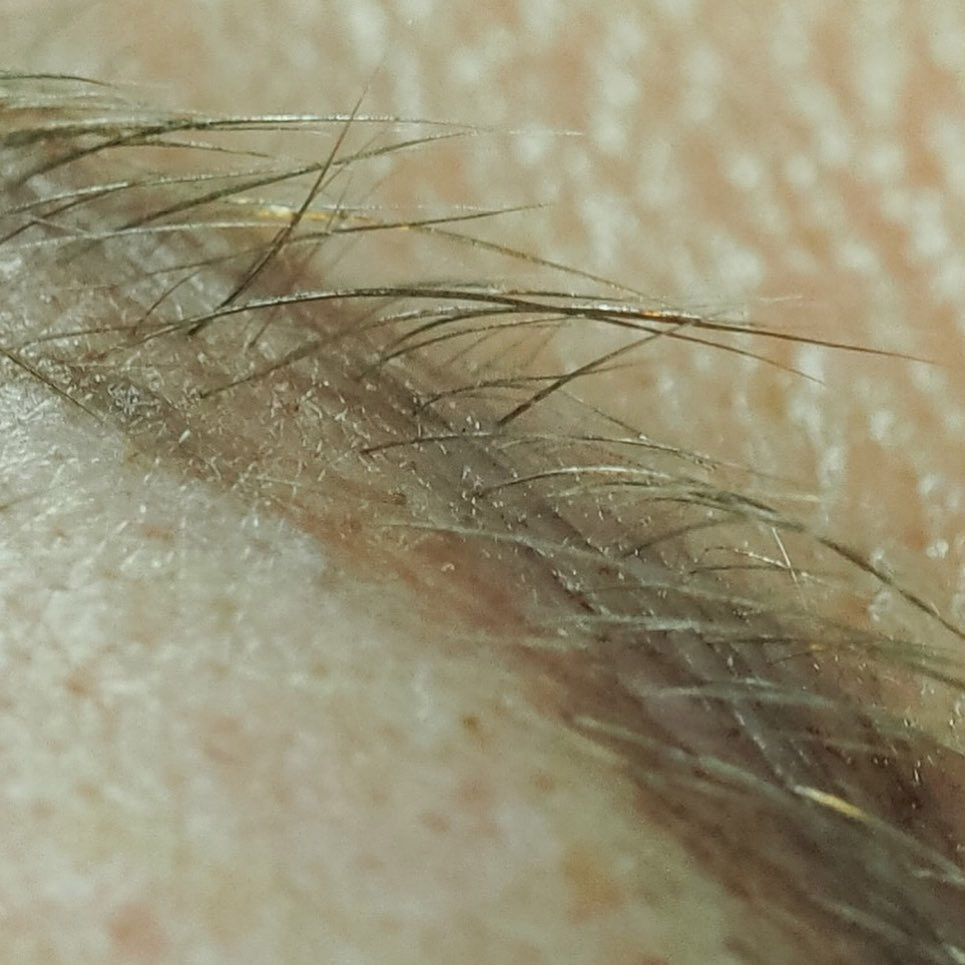
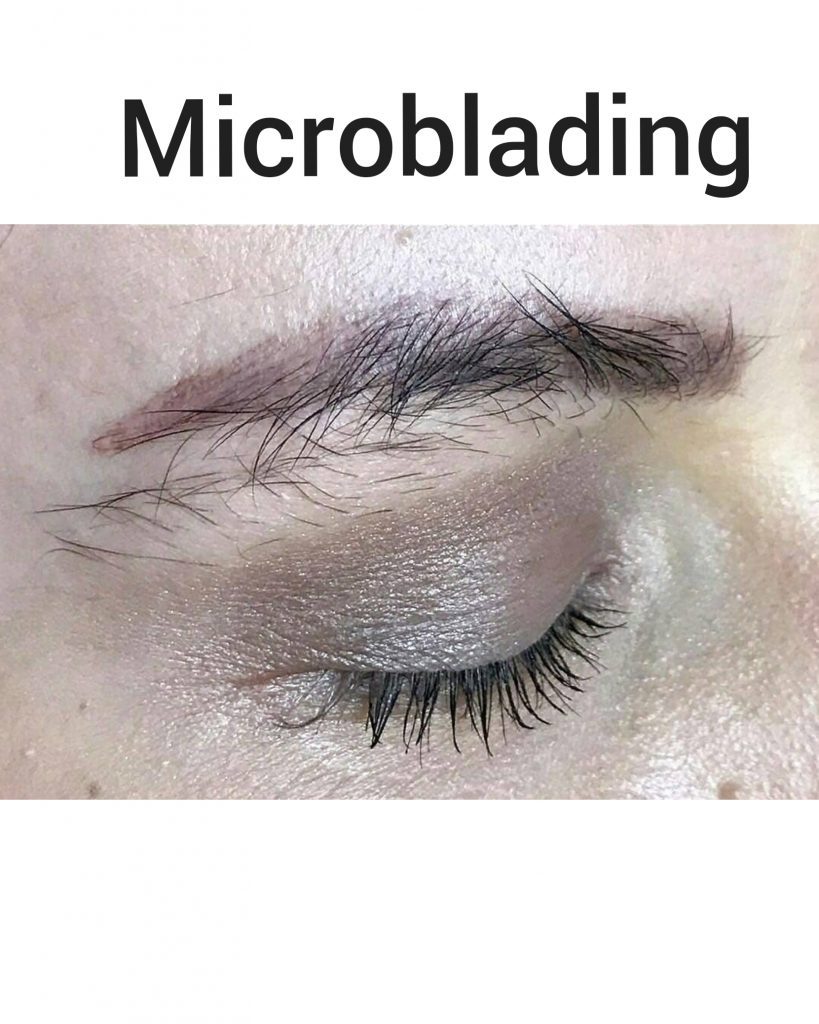
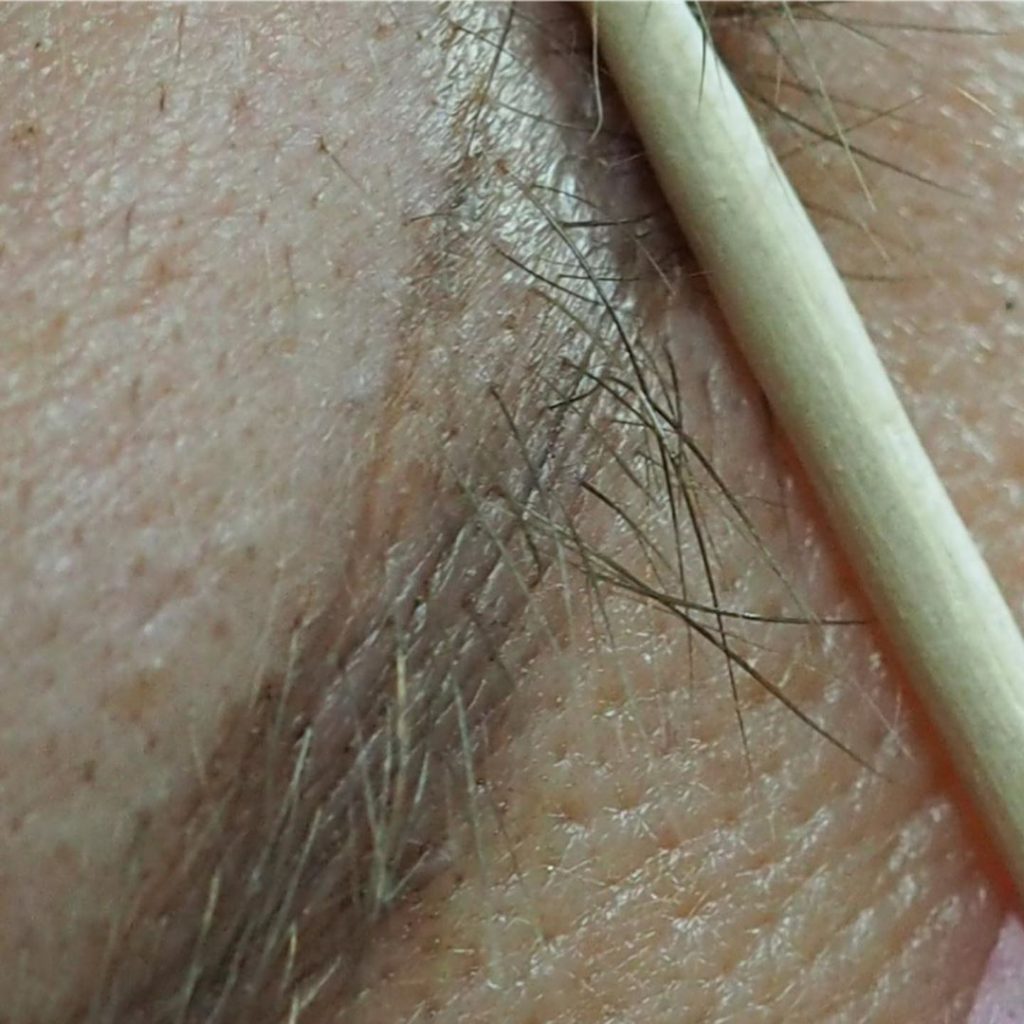
Microblading was developed in Asia and is primarily designed to work optimally with the average density of Asian skin. European skin tends to be thinner, therefore this technique is not suitable for oily or combination European skin. On normal or dry European skin, there is a risk of possible micro-scarring. This undesirable effect is shown in the pictures below:
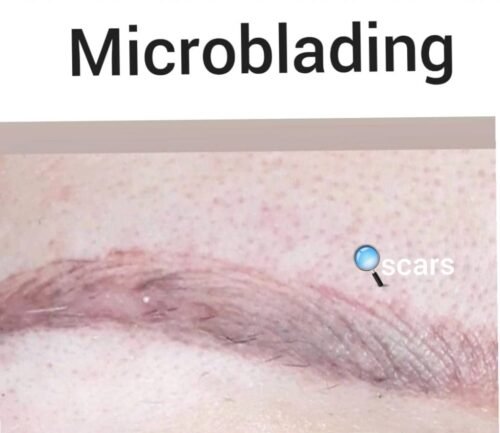

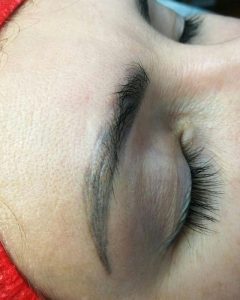
Microblading is not the best option for every skin type. On oily, porous, or thicker skin, very fine lines can soften, blur, or heal less clearly over time. On some skin types, repeated blading may also increase the risk of skin trauma. This is one of the main reasons why Dasha prefers machine techniques, which are generally more flexible and more predictable across a wider range of skin types.
Although microblading can look beautiful when fresh, the strokes do not always stay crisp as they age in the skin. Over time, they may expand, blur, lose definition, or heal unevenly, which can make the brow area look less natural than it did in the beginning. This is why healed results are far more important than fresh results when choosing a brow technique.
One of the most important things to look for when researching brow tattoo is healed work, not just fresh results. Fresh microblading often looks neat and precise, but healed results after several months give a much more realistic picture of how the technique performs in the skin over time.
Examples of healed microblading over time


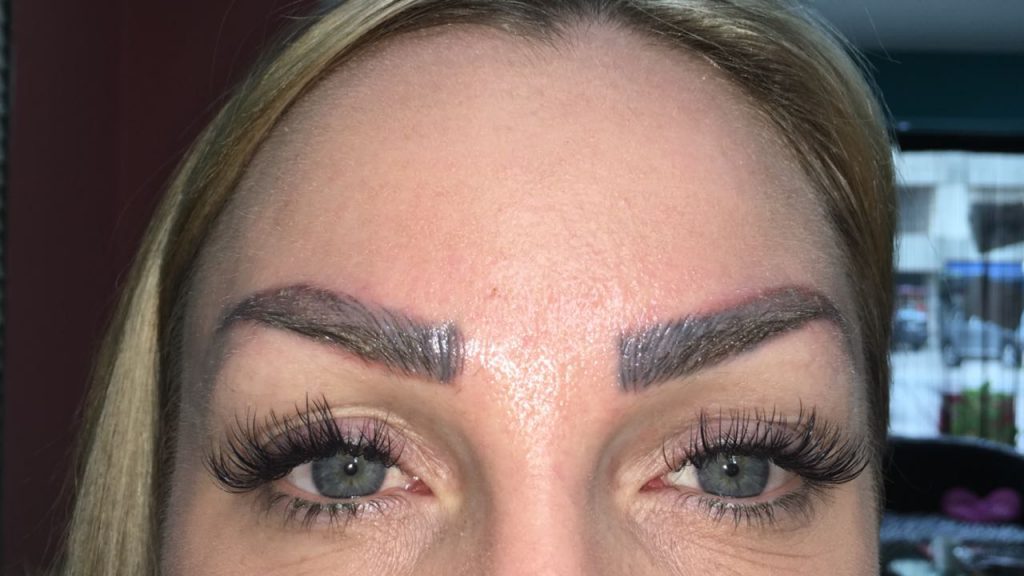
Bad performed microblading


In general, microblading tends to fade faster than machine brow tattoo. Microblading often lasts around 6 to 12 months, while machine-based brow tattoo may last longer depending on the skin, lifestyle, pigment retention, and the technique used. Because microblading is designed to be placed very superficially, it can fade quickly if the pigment does not retain well in the skin.
If pigment is implanted too deeply, the healed colour may appear cooler, duller, or less natural over time. If it is placed too superficially, much of the pigment may be lost during healing. This is why depth control is so important in any cosmetic tattoo procedure.
You may also find these articles helpful: