Inkless Scar & Stretch Mark Revision (ISR) in Christchurch – What It Is and How It Works
Inkless Scar Revision (ISR) is an advanced non-pigment skin revision treatment designed to improve the appearance of scars and stretch marks without using tattoo pigment or ink.
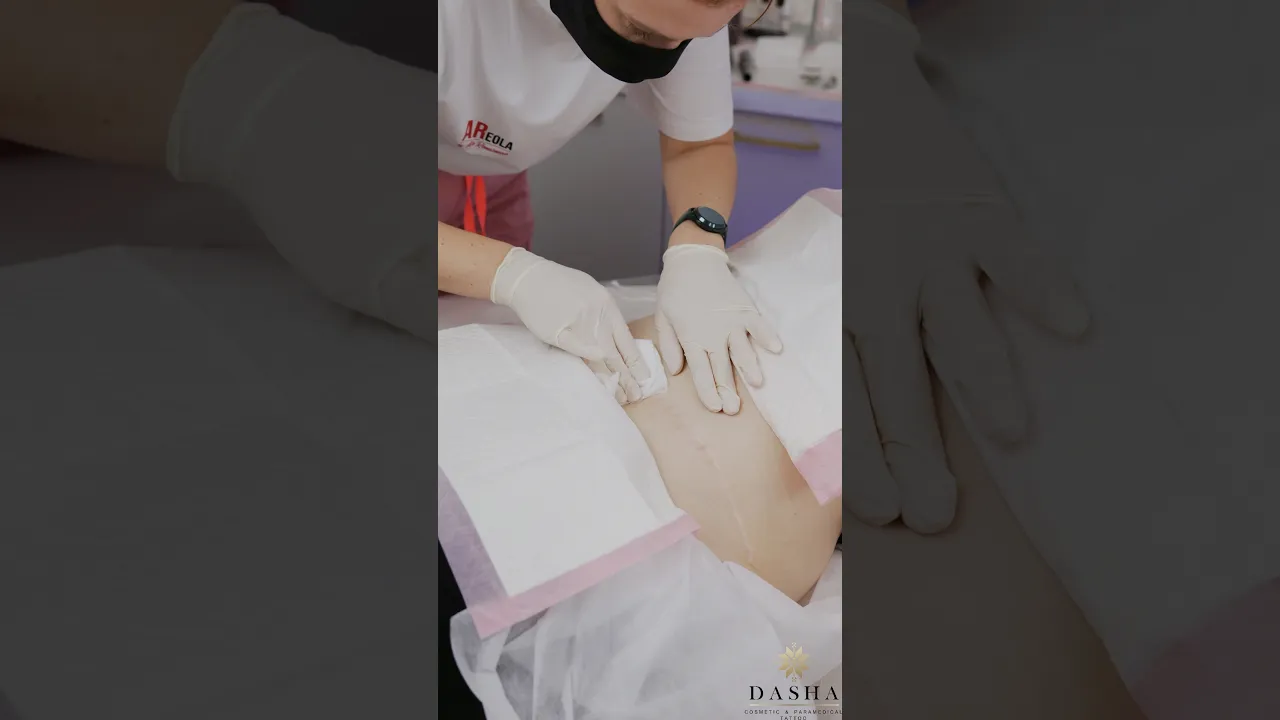
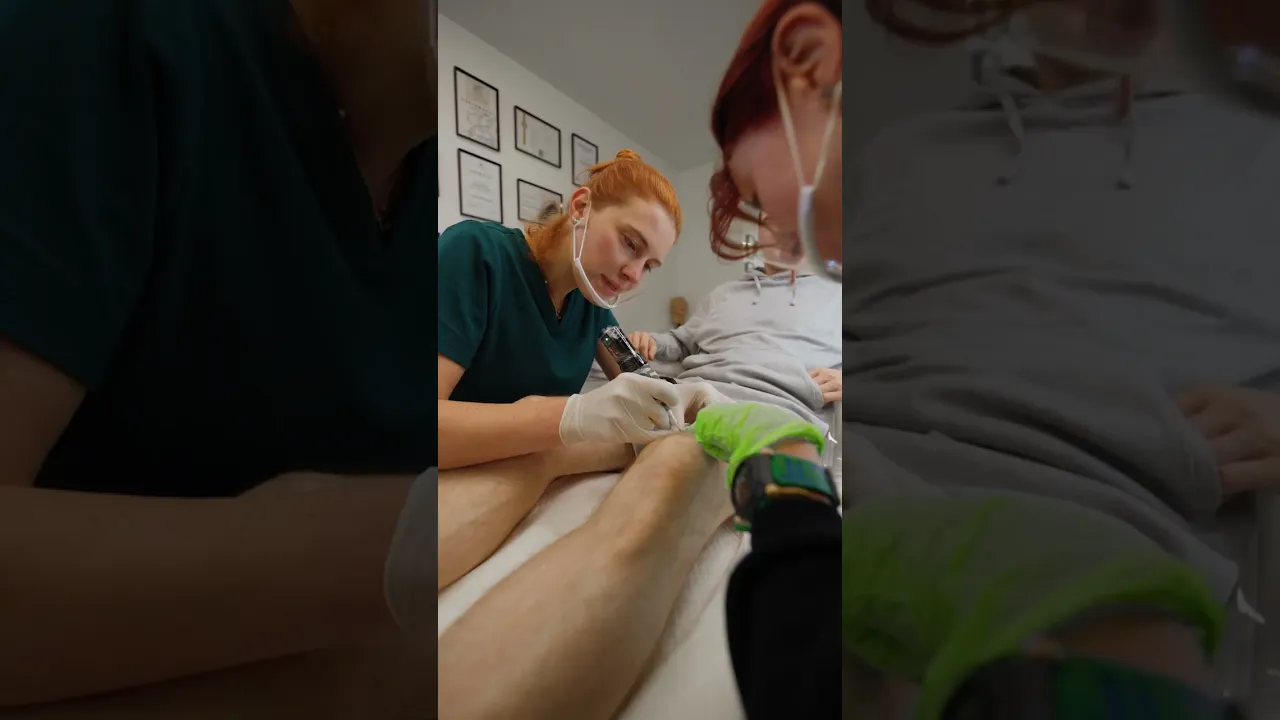
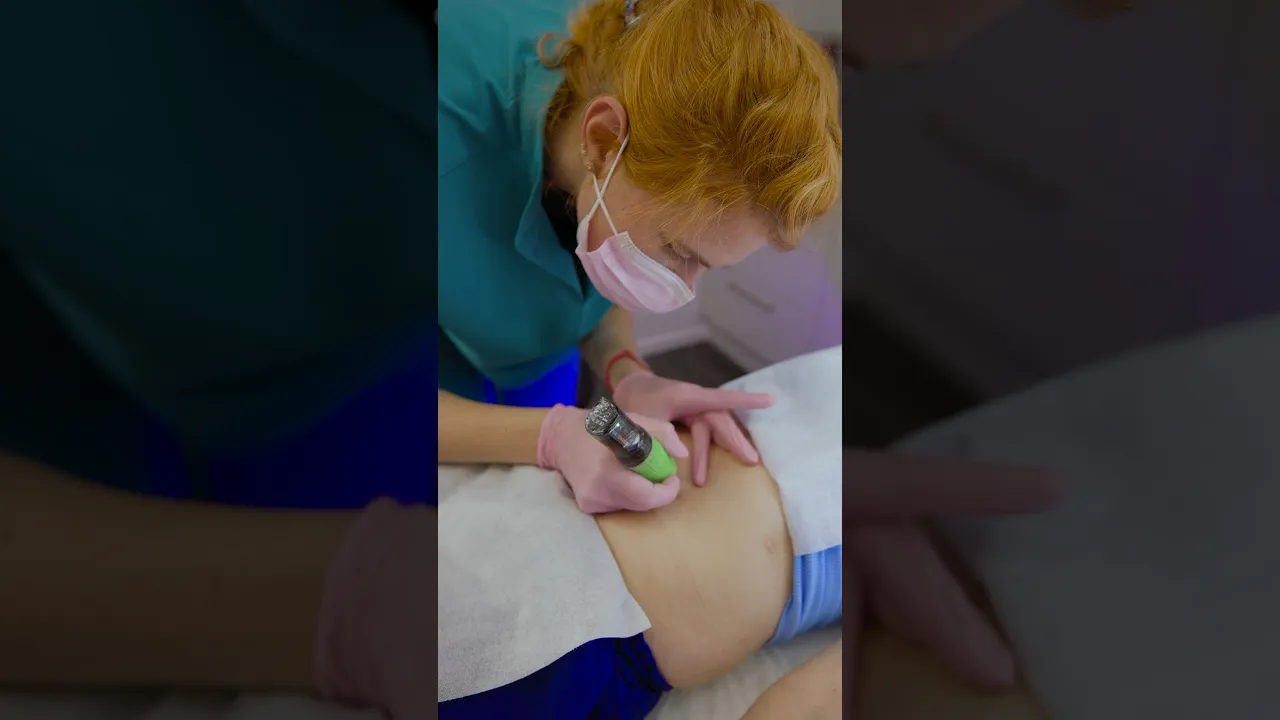
Instead of implanting colour into the skin, a professional skin revision solution is worked into the scar or stretch mark area using a precise cosmetic tattooing technique. The needle creates controlled micro-channels in the skin, allowing the solution to be introduced into the treated area and support the skin’s natural repair response.
This treatment is used to help soften the appearance of scar texture, stretch marks, uneven skin tone and damaged skin quality over a course of treatments.
What Is ISR and How Does It Work?
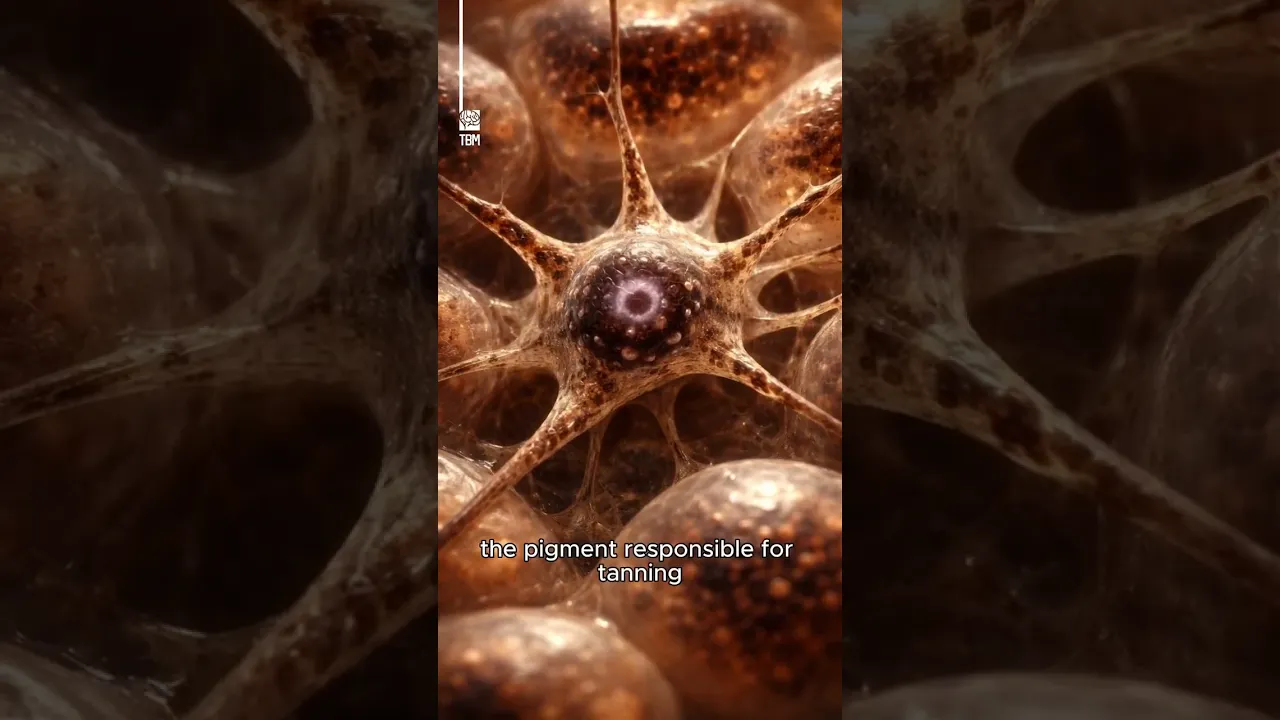
ISR (InterStimulatory Regeneration) works by stimulating the skin’s natural healing response.
Instead of implanting pigment like in cosmetic tattooing, a specialized serum (rich in amino acids) is introduced into the skin using a device similar to a tattoo machine.
This process:
- stimulates collagen and elastin production
- improves skin texture and density
- helps the skin regenerate from within
- softens the appearance of scars and stretch marks over time
ISR for Microblading and PMU Damage
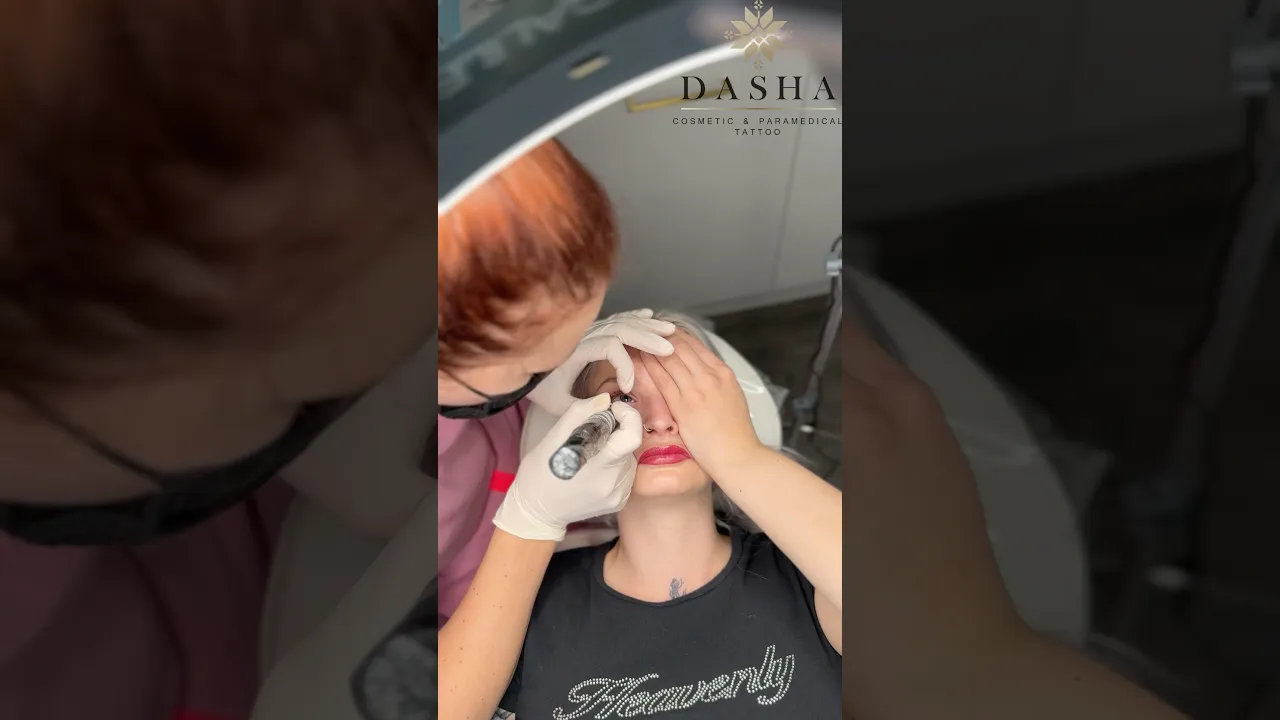
ISR is not only used for body scars — it is also highly effective for skin damaged by previous cosmetic tattoo procedures.
In my practice in Christchurch, ISR is often used to improve:
- microblading scars (uneven texture, fibrosis, overworked skin)
- lip blush damage (patchy healing, scarring, rough texture)
- eyeliner tattoo trauma (especially after multiple corrections or removals)
Unlike removal treatments, ISR focuses on restoring the skin quality itself, making it smoother, softer, and more even before any correction work is done.
This makes ISR an ideal pre-treatment before correction or removal, especially in cases where the skin has been overworked.

What Results Can You Expect from ISR?
ISR can:
- reduce the visibility of scars and stretch marks by 30–80% over a course of treatments
- improve skin texture and smoothness
- soften harsh edges and uneven healing
- restore a more natural skin tone appearance
ISR does not completely remove scars, but significantly improves how they look and feel.
Who Is ISR Suitable For?
ISR is suitable for:
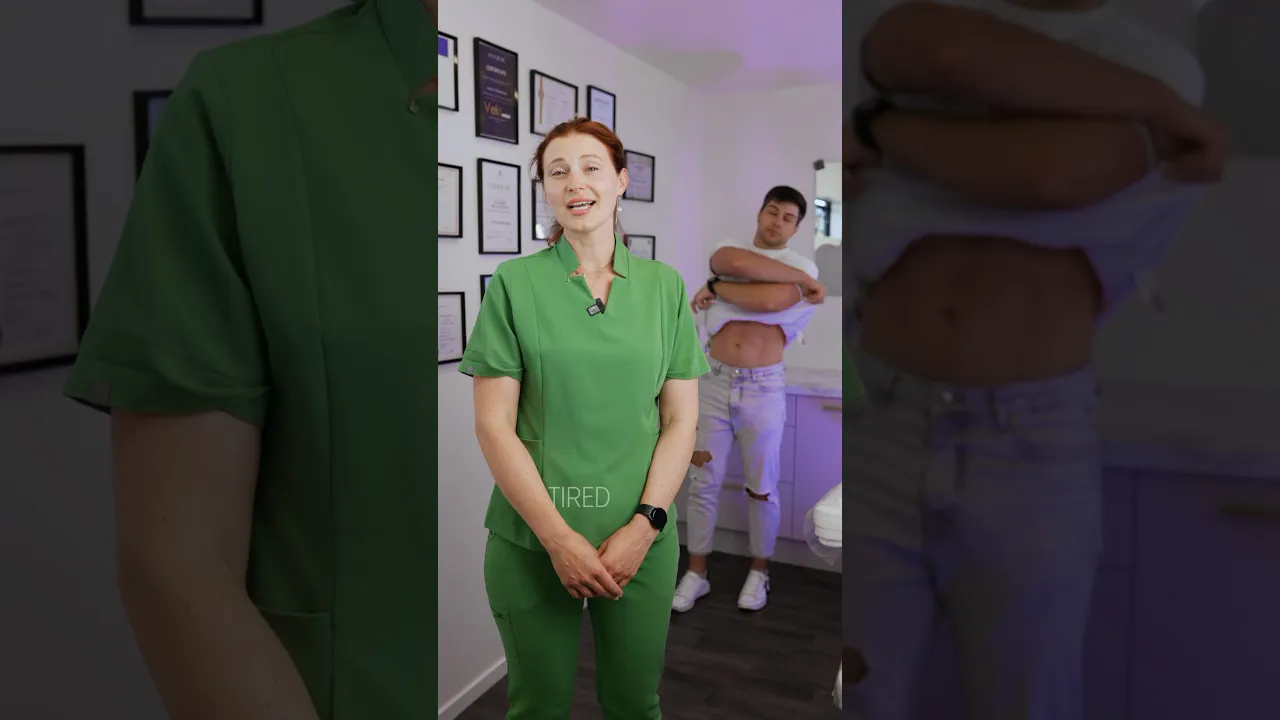
- stretch marks (all stages, especially mature ones)
- surgical scars (including C-section scars)
- acne scars
- scar tissue after cosmetic tattoo procedures
Not suitable for:
- Fitzpatrick skin types V–VI (risk of pigmentation issues)
How Many ISR Sessions Will I Need?
Most clients require:
- 1–4 sessions for visible improvement
- sessions spaced 6–15 weeks apart
Sessions are usually spaced several weeks apart to allow the skin to fully heal and settle before the next treatment.
For more complex cases (like microblading damage, harsh surgical scars), additional sessions may be recommended.
What to Expect After ISR Treatment
After your ISR session, it is normal to experience:
- Redness and swelling for a few days
- Dryness or light flaking
- gradual improvement over several weeks as collagen rebuilds
After your ISR session, the treated area may look red, warm, slightly swollen or more visible for the first few days. This is a normal skin response.
The skin may feel dry, tight, sensitive or lightly textured as it heals. Some light flaking may occur. Do not pick, scratch or rub the area.
Initial improvement may be visible once the surface has healed, but deeper skin remodelling continues gradually over several weeks.
Aftercare:
- avoid sun exposure for at least 4 weeks
- use SPF 50+ daily
- avoid picking or scrubbing the area
- keep skin hydrated with gentle products
Aftercare is essential for clean healing and the best possible result.
For the first few days, keep the area clean, dry and protected. Avoid rubbing, scratching, picking or applying unnecessary products.
Avoid swimming, spas, saunas, hot tubs, heavy sweating, intense exercise, direct sun exposure and tanning until the skin has fully healed.
Avoid active skincare over the treated area, including retinol, exfoliating acids, strong vitamin C, brightening products, fragranced products and harsh cleansers.
Once healed, protect the treated area from UV exposure. Sun exposure can worsen pigmentation, slow healing and affect the final result.
ISR vs Scar Camouflage – What’s the Difference?
Many clients confuse ISR with scar camouflage tattooing.
- ISR → improves skin quality (regeneration)
- Scar camouflage → uses pigment to blend colour
In many cases, ISR is done first, followed by camouflage if needed.
ISR focuses on skin texture and quality. It is usually recommended when the scar is raised, shiny, firm, uneven, indented, thickened or texturally different from the surrounding skin.
Scar camouflage tattooing focuses on colour correction. It uses custom-mixed pigment to help blend white scars, pale stretch marks or pigmented scars with the surrounding skin tone.
In many cases, ISR is performed first to improve the texture of the scar. Once the skin is smoother, softer and fully healed, scar camouflage tattooing may be considered to improve the colour match.
Learn about Skin Camouflage Tattooing
What Products Are Used in ISR Treatments?
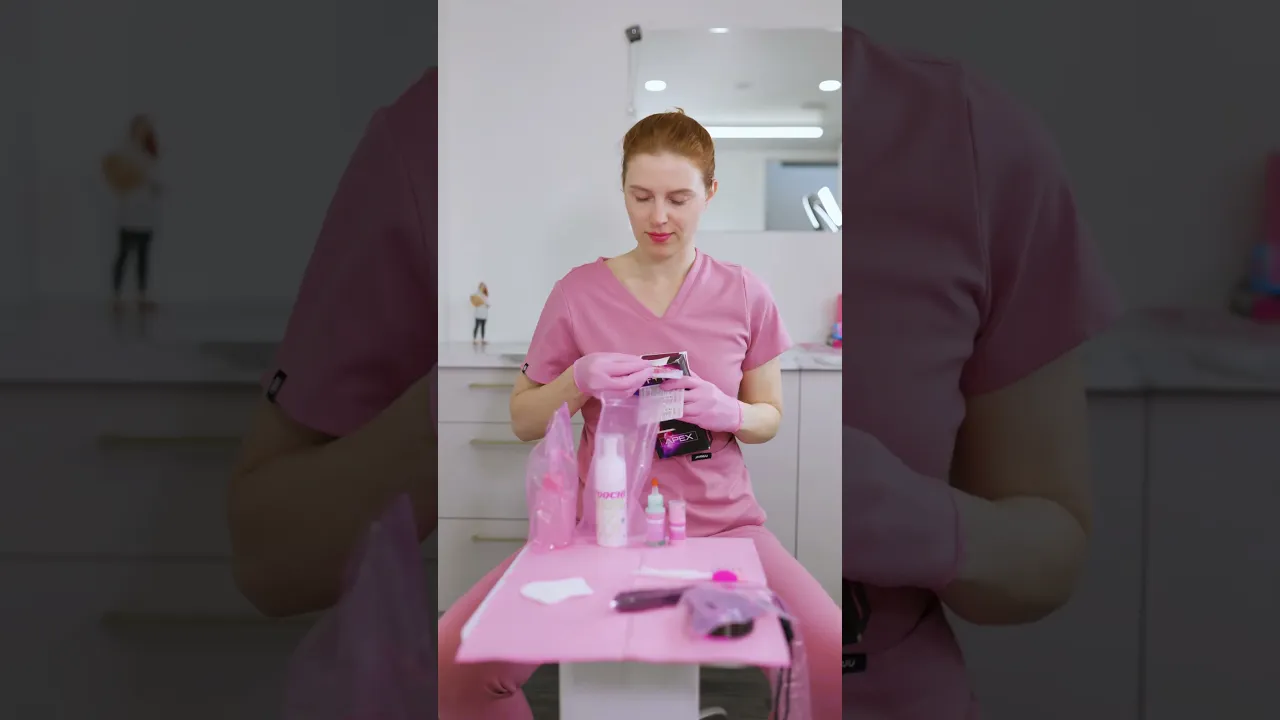
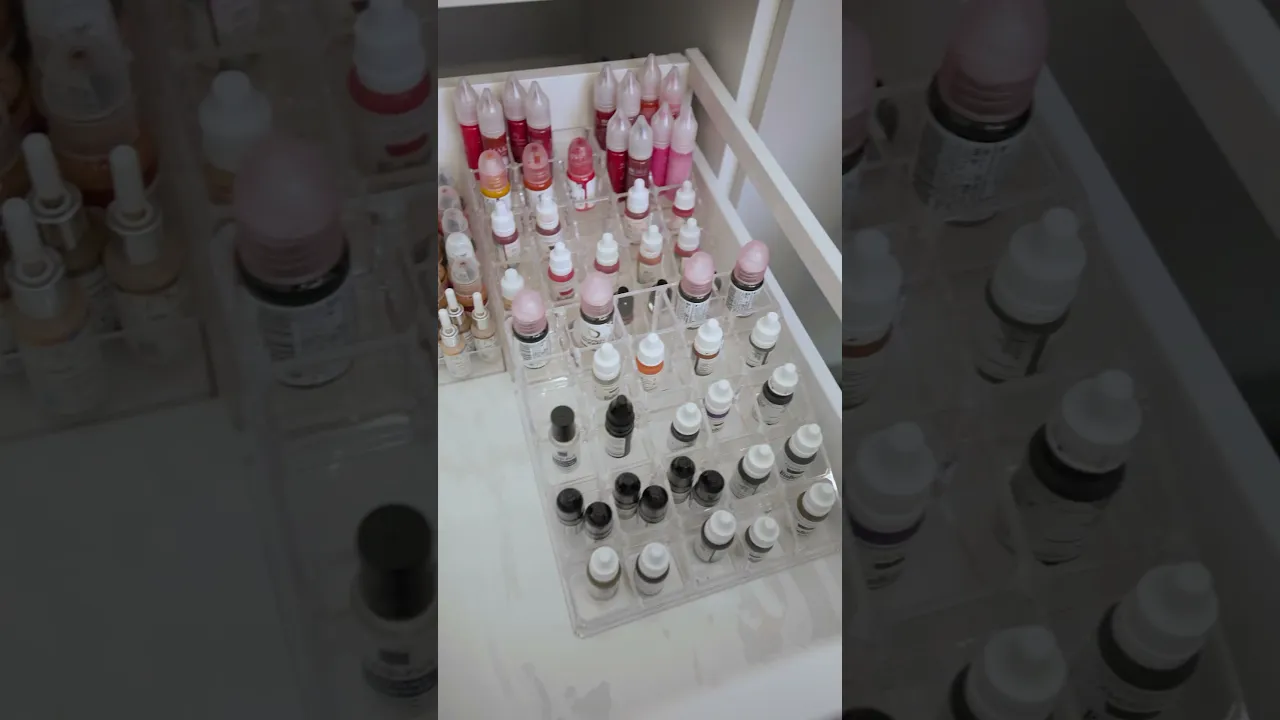
In ISR treatments, I use a combination of professional solutions designed to support skin regeneration and improve overall skin quality.
These may include:
- acid-based solutions
- saline solutions
- glycolic-based solutions
- professional regenerative serums
- brightening and tone-correcting solutions
- skin revision systems designed for
- scar and stretch mark work
These formulations may help to:
- trigger the skin’s natural healing response
- support collagen production
- improve the appearance of skin texture
- soften uneven tone and pigmentation
- support a smoother and more
- refined-looking treated area
I work with a wide range of professional skin revision products from reputable European, Australian and American brands. The choice of solution is always selected individually, depending on the scar type, skin texture, pigmentation, sensitivity, treatment goals and expected healing response.
Some products are selected when the main concern is scar texture, firmness or uneven skin quality. Others are chosen when the focus is pigmentation, darker marks, uneven tone or discolouration within the scar or stretch mark.
ISR in Christchurch – Personalized Approach
Every skin is different.
In my clinic in Christchurch, ISR treatments are customized depending on:
- scar type
- skin condition
- previous procedures (including microblading or PMU)
My focus is always on natural, healed results, not quick fixes.
Book Your ISR Consultation in Christchurch
If you are dealing with scars, stretch marks or damaged skin after cosmetic tattooing or laser tattoo removal, an in-person consultation can help determine whether ISR is suitable for your skin.
During your consultation, Dasha will assess the scar texture, stability, skin condition and treatment history before recommending the most appropriate plan.
ISR may be recommended on its own, or as part of a longer restorative plan before skin camouflage tattooing.
Book a consultation to assess your skin and create a personalized treatment plan.
Appointments are available at Dasha Cosmetic & Medical Tattoo in Christchurch.
FAQ – Inkless Scar Revision (ISR)
Does ISR completely remove scars or stretch marks?
How many ISR sessions will I need?
Can ISR help after microblading or permanent makeup?
What does the skin look like after ISR treatment?
Is ISR painful?
How long does it take to see results?
Is there any downtime after ISR?
Is ISR suitable for all skin types?
Can ISR be combined with other treatments?
How long do ISR results last?