
Cosmetic Tattoo Healing Process & Aftercare
Cosmetic and medical tattooing is a process, and the final result is not visible immediately after your appointment. The colour, intensity and texture of the treated area will change as the skin heals.
At Dasha Cosmetic & Medical Tattoo in Christchurch, every treatment is performed with a focus on soft, natural healed results. Understanding the healing process is an important part of achieving the best possible outcome from your cosmetic tattoo, scalp micropigmentation, scar camouflage or medical tattoo treatment.
What to Expect Immediately After Treatment
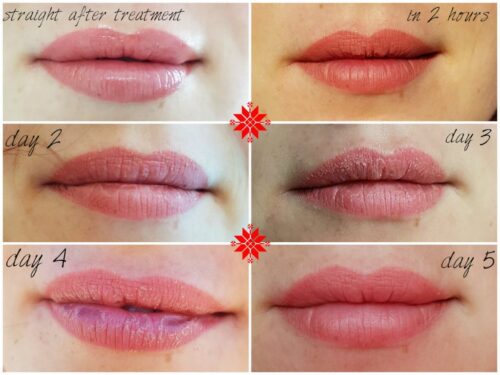
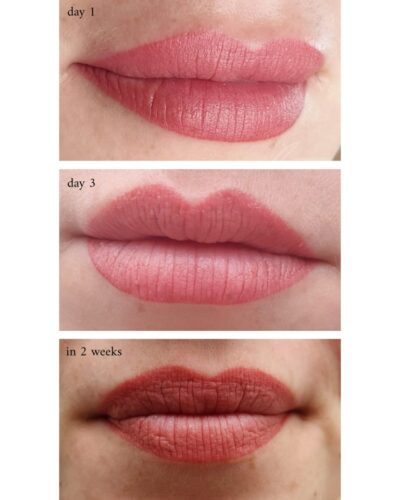
Immediately after your procedure, the treated area may appear darker, warmer, more defined, or slightly wider than the final healed result. This is a normal part of the initial healing response and does not represent the final colour, shape, or softness of the tattoo.
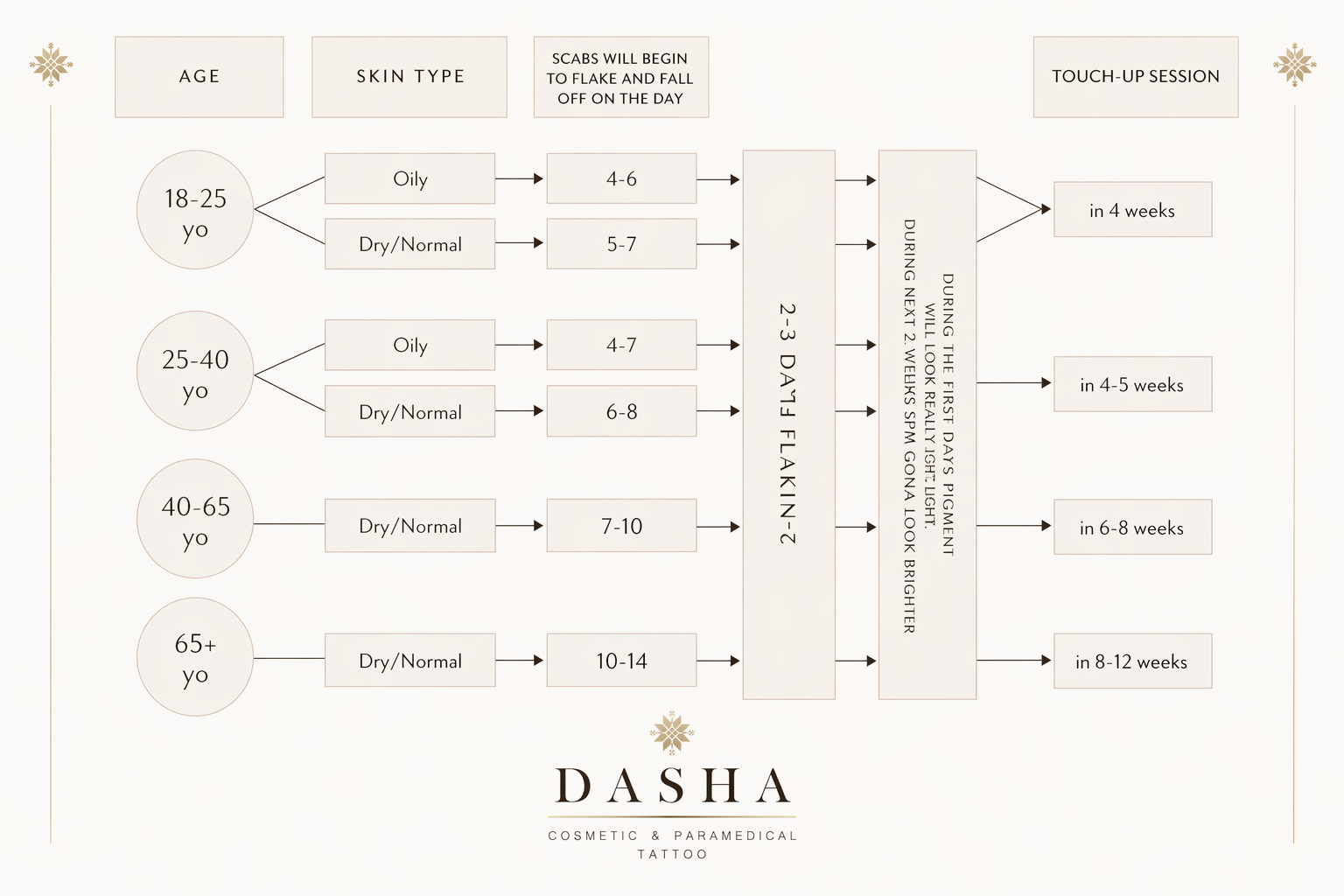
At this stage, the surface layers of the skin are freshly treated and temporarily saturated with pigment. As the skin completes its natural renewal cycle — usually around 30 to 40 days, depending on age, skin type, and individual healing — a significant amount of the surface pigment will naturally shed and soften.
The colour may also look warmer immediately after treatment because freshly tattooed skin behaves similarly to a superficial scratch. Mild redness in the skin can make the pigment appear warmer, brighter, or more intense than it will look once healed.
Some treatments may also appear slightly wider or more defined at first. This can happen because of temporary swelling in the skin, especially in delicate areas such as the lips, eyelids, scars, and areola or nipple tattooing. As the swelling settles and the skin heals, the tattoo softens, refines, and may appear slightly thinner.
Not every area swells in the same way. Brows, scalp micropigmentation, small beauty marks, nail bed tattooing, and belly button tattooing usually have minimal swelling compared with lips, eyeliner, scar work, or areola reconstruction.
The result you see on the day of treatment is not the final result. Cosmetic and medical tattooing should always be judged after healing, not immediately after the appointment. My focus is on healed results, and the portfolio includes both fresh and healed examples to show how the work softens and settles in real skin over time.
The First Two Weeks
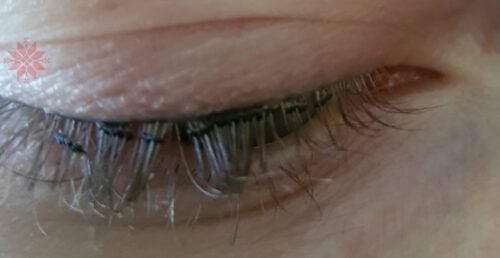
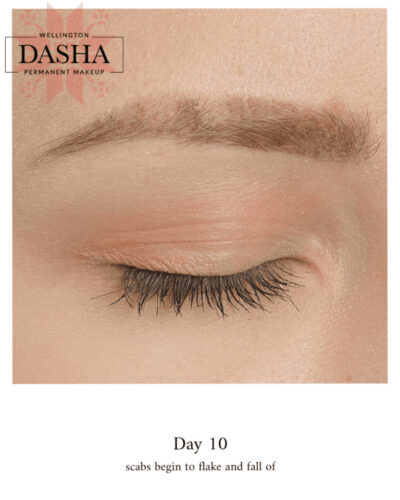
During the first two weeks, the skin begins to repair and renew. The treated area may feel slightly dry, tight or textured, and some flaking or light peeling may occur.
It is important not to pick, scratch or peel the skin. The dry skin must come away naturally. Picking can cause uneven healing, pigment loss, irritation, scarring or infection.
Once the flaking has finished, the cosmetic or medical tattoo may temporarily appear lighter, softer or patchy. This is normal. The colour continues to settle as the skin completes the deeper stages of healing.
Typical Flaking Timeline
Healing time varies from person to person, but the first visible flaking stage may begin around:
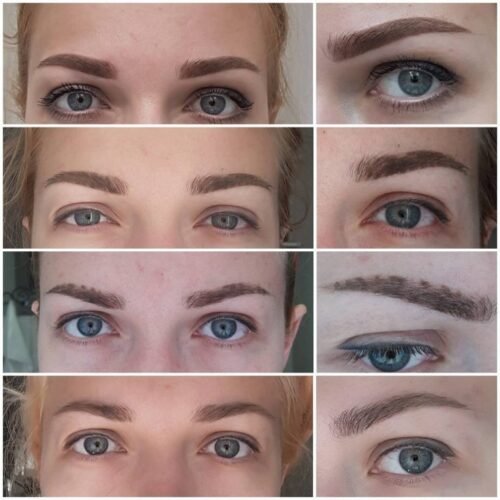
Eyebrow tattoo: 4–7 days
Eyeliner tattoo: 4–6 days
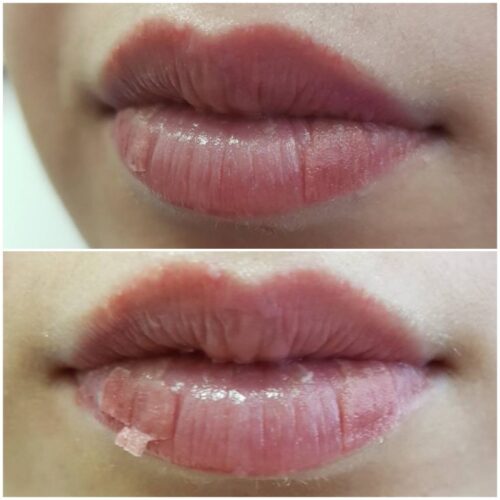
Lip tattoo: 3–4 days
Scalp Micropigmentation: 3–5 days
Skin camouflage: 10–15 days
Scar camouflage: 10–15 days
These timeframes are only a guide. Your skin type, immune response, lifestyle, aftercare and the area treated can all affect how quickly the skin heals.
When Will I See the Final Result?
The complete healing process usually takes around 4 to 8 weeks, depending on the treatment area, age, skin type, skin regeneration, lifestyle, and any relevant medical conditions.
The result should only be assessed once the skin has fully healed. At this stage, the true healed colour, softness, density, shape, and pigment retention can be properly analysed.
Touch-up timing is not the same for every client. Dasha will discuss and recommend the most suitable follow-up timeframe after your initial appointment, based on your skin response and the type of treatment performed.
During the follow-up appointment, the healed result can be refined if needed. Depending on the client’s preference and the way the skin has retained pigment, small adjustments may be made to the shape, softness, density, or colour. In some cases, a slightly deeper shade may be used to achieve the desired healed result.
Some treatments continue to settle for longer, especially skin camouflage, scar camouflage, medical tattooing, and scalp micropigmentation. For these treatments, the final result may need to be assessed over 3 to 6 months, as the pigment continues to soften and integrate with the skin.
Aftercare:
Aftercare
Aftercare is an essential part of the cosmetic and medical tattoo healing process. Following your aftercare instructions carefully helps support clean healing, better pigment retention, and a softer, more even healed result.
The first 48 hours are especially important. During this time, the skin may release a small amount of lymphatic fluid. Gently cleansing or blotting the treated area as advised helps remove this fluid before it dries on the skin. This can help the skin form a very thin, soft healing layer rather than a thick crust, making the peeling stage lighter, more comfortable, and often much less noticeable.
Always use clean hands before touching the treated area. Cleanse only as instructed, using gentle products suitable for fresh cosmetic tattooing. Do not scrub, rub, exfoliate, or over-clean the skin.
Avoid active skincare directly over the treated area while it is healing. This includes exfoliating acids, retinol, strong vitamin C, peptides, brightening products, harsh cleansers, fragranced products, and any resurfacing or anti-ageing skincare that may irritate the skin or interfere with pigment retention.If an ointment or aftercare product has been recommended for your specific treatment, apply only a very thin layer. More product does not mean better healing. Over-applying ointment can trap moisture, soften the healing skin too much, and interfere with the natural healing process.
Aftercare is not the same for every procedure. Brows, lips, eyeliner, scalp micropigmentation, scar camouflage, skin camouflage, areola tattooing, and tattoo removal all require slightly different care. Please follow the aftercare instructions given for your specific treatment.
For more detailed guidance, please refer to the specific aftercare articles for your treatment, including Brow Tattoo Aftercare, Lip Tattoo Aftercare, Eyeliner Tattoo Aftercare, Scalp Micropigmentation Aftercare, Scar Camouflage Aftercare, and Laser Tattoo Removal Aftercare.
What to Avoid During Healing
During the healing period, avoid:
Swimming pools, spas, saunas and hot tubs
Heavy sweating and intense exercise
Direct sun exposure and tanning
Picking, scratching or rubbing the treated area
Makeup directly over the healing tattoo
Active skincare over the treated area
Laser, IPL or resurfacing treatments over the tattooed area
Sun exposure can cause premature fading and colour changes, so the treated area should be protected once healed.
Touch-Up Session
A touch-up session may be recommended once the skin has healed and the pigment has settled. This is usually scheduled around 4 to 8 weeks after the first session, depending on the treatment, skin type, age, healing response and medical considerations.
Some clients heal beautifully after one session, while others need adjustments to perfect the colour, shape, density or softness.
A touch-up is not a correction of a mistake. It is part of the normal cosmetic and medical tattooing process, because skin heals differently from person to person.
Why Healed Results Vary
Healed results vary from person to person because every skin type responds differently to cosmetic and medical tattooing. Pigment retention and the final healed appearance can be affected by many factors, including:
- Skin type and skin thickness
- Age and skin regeneration
- Oiliness or dryness
- Sun exposure
- Aftercare
- Medication
- Immune response
- Hormonal changes
- Smoking
- Diabetes or other health conditions
- Stress and sleep quality
- Previous tattoo pigment
- Previous tattoo removal procedures
- Lifestyle and skincare routine
This is why healed results cannot be guaranteed after the first session. Some clients retain pigment very well, while others may require 2 to 3 sessions to achieve better colour retention, softness, balance, or density.
The goal is always to work with your skin carefully and gradually, creating the softest and most natural-looking result possible for your individual skin.
Healthy Healing Support
Your skin heals best when your body is well supported. Good sleep, hydration, balanced nutrition and avoiding smoking can all help the skin recover more effectively.
If you have a medical condition, take medication, have a history of poor healing, or are unsure whether a treatment is suitable for you, please discuss this before booking.
When to Contact the Studio
Please contact the studio if you experience unusual swelling, increasing pain, spreading redness, heat, discharge, or anything that feels concerning during the healing process.
Mild tenderness, dryness, flaking and colour changes are normal, but worsening symptoms should always be checked.